
Common Problems
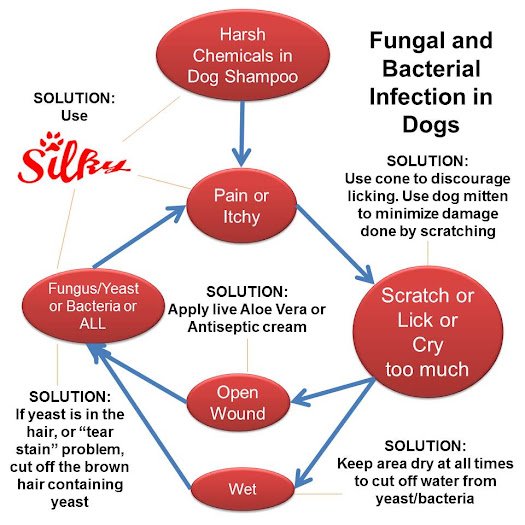
HOW IT AFFECTS
About The Problems
Some dog shampoos contain strong cleansing, thickening and foaming ingredients that can irritate the skin and leave the coat feeling dry or damaged over time.
The effects may not appear after one wash. Repeated exposure can gradually contribute to dryness, irritation and itching.
When a dog scratches or licks irritated areas, the skin can become damaged, creating an environment where bacteria and fungi can thrive. Around the eyes, excessive tearing and moisture can also contribute to staining and microbial growth.
It can become a frustrating cycle: irritation → scratching and licking → damaged skin → more discomfort.
That’s why choosing a thoughtfully formulated dog shampoo matters.
THE SOLUTIONS
Our Recommended Approach
If shampoo is contributing to the problem, switching to a gentler, thoughtfully formulated shampoo is an important first step. For more advanced skin or fungal problems, additional care may be needed.
- Reduce licking: Use a cone or E-collar when necessary.
- Protect irritated skin: Dog socks or mittens can help reduce scratching from the nails.
- Keep the coat dry: Thoroughly dry your dog after bathing, especially the paws, armpits, chest, belly and behind the ears, where moisture can linger.
- Keep facial areas dry: Gently dab around the eyes with a soft tissue regularly to remove excess moisture.
- Trim affected hair: For problems affecting hair around the paws or eyes, carefully trimming the affected hair can help with grooming and cleanliness.
If your dog has persistent itching, open wounds, or suspected fungal or bacterial infection, consult a veterinarian for proper diagnosis and treatment.
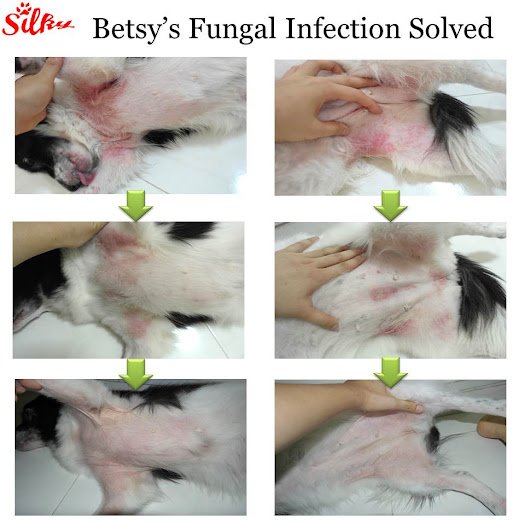
Our Journey with Fungal Infection — Betsy
Betsy, our Border Collie–Corgi mix, developed a fungal infection around her underbelly, particularly near her armpits and thighs.
We used Silky alongside a much more careful drying and grooming routine. We regularly checked these areas with a soft tissue to make sure they stayed dry, and initially used a cone to prevent excessive licking when she became itchy.
The process took around 6–8 weeks. Every dog is different, but we learned that these problems rarely disappear overnight. Keeping the affected areas clean and dry consistently was an important part of Betsy’s recovery.
Silky was part of Betsy’s routine, but proper drying was just as important. Even with a gentle shampoo, leaving moisture trapped around the paws, belly, armpits or other areas can allow problems to return.
Our biggest lesson: Clean isn’t enough. Keeping your dog’s coat and skin properly dry matters too.
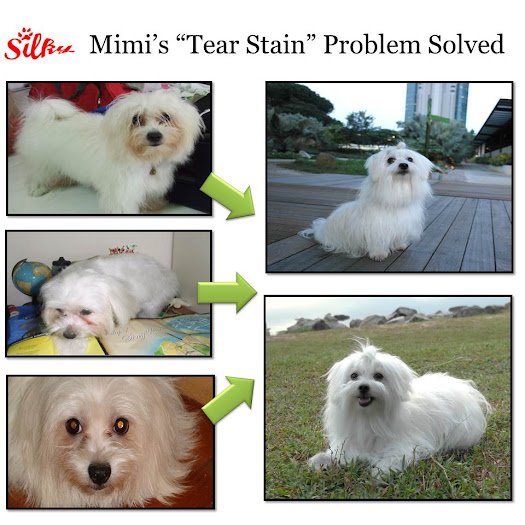
Our Journey with Tear Stains, Damaged Hair & Sensitive Skin — Mimi
Mimi is a Maltese with naturally white fur. As she grew, we noticed reddish-brown staining around her eyes that we initially thought was simply tear staining. She also had dry, damaged fur, frequent scratching and what our vet described as sensitive skin. We were also dealing with occasional flea problems.
Mimi later developed a fungal issue around her tail from frequent licking — something we discovered is also experienced by many Maltese and Shih Tzu owners.
We then investigated the reddish-brown buildup more closely and found what appeared to be yeast associated with the constantly moist area around her eyes.
Our approach was simple:
1. Use Silky
2. Carefully trim the affected hair
3. Keep the area dry by gently dabbing it with a soft tissue several times a day
As the affected hair was removed and new hair grew, the staining became progressively less noticeable.
For Mimi, it took approximately 3–4 weeks to see the problem clear significantly.
Every pet is different, and persistent eye discharge, skin irritation or suspected infection should be evaluated by a veterinarian.
WHAT HAPPENS
Common Approaches
When dogs develop itching, redness or recurring skin problems, common approaches may include:
1
Veterinary Examination
Diagnosis and professional assessment.
2
Dietary Changes
Adjusting food when allergies or sensitivities are suspected.
3
Medicated Treatments
Medicated shampoos, antibiotics, antifungals or other treatments.
4
Topical Care
Cones, creams and other methods to manage affected areas.
These treatments can be appropriate for certain conditions. Persistent or severe symptoms should always be assessed by a veterinarian.
But Don't Forget the Everyday Routine
Treating symptoms isn’t always the same as addressing the factors that may contribute to the problem.
Your pet’s shampoo comes into regular contact with their skin and coat. That’s why we believe choosing a thoughtfully formulated shampoo, keeping the coat clean and properly dry, and paying attention to your pet’s grooming routine all matter.
WHAT WE DO
Our Approaches
1
Choose a Thoughtful Shampoo
Silky is formulated without SLS and with little to no foam.
2
Keep the Coat Dry
Pay extra attention to paws, armpits, belly and behind the ears.
3
Address Persistent Problems
If itching, redness, wounds or suspected infection continues, consult your veterinarian.
Give Your Pet the Silky Treatment
A cleaner coat.
A softer feel.
A more thoughtful approach to pet care.
Gentle by choice. Clean by design. Made with love for dogs & cats.